Uncategorized

Compression Test vs Flexural Strength Test: What’s the Difference?

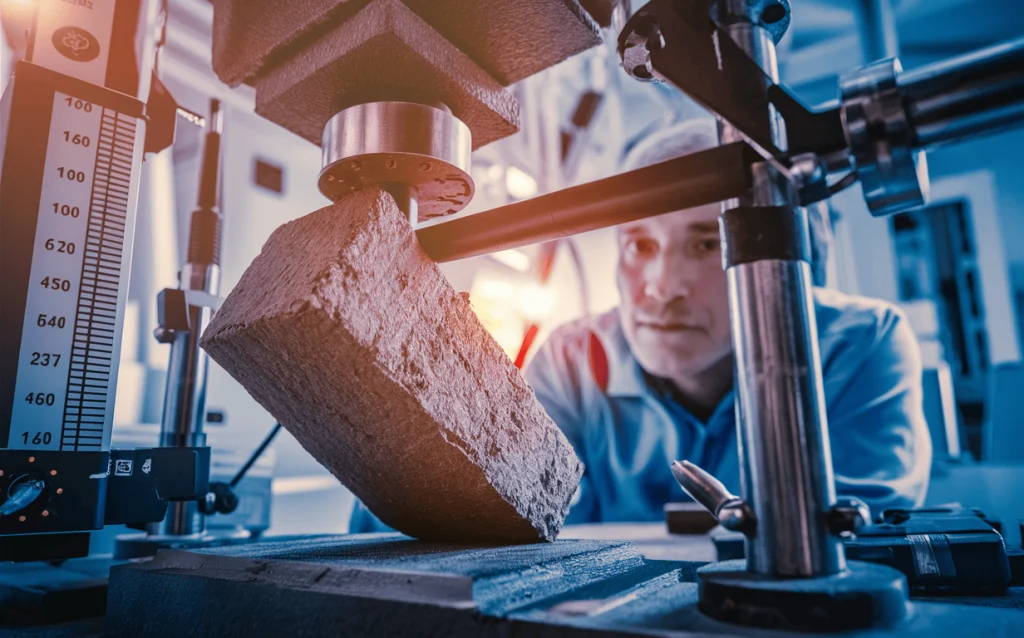
In construction, the strength of materials like concrete is crucial. But strength can be measured in different ways, depending on how a material is used. Two of the most common tests are the compression test and the flexural strength test. While both tell us about a material’s quality, they measure different types of resistance. What is the compression test? What is the flexural strength test? Key differences at a glance Feature Compression Test Flexural Strength Test Action Squeezing or crushing Bending or flexing What it tests Resistance to inward pushing forces Resistance to bending forces Stress type Uniform pressure on the material A combination of compression and tension Common use Vertical columns, foundations, and walls Concrete pavements, slabs, and beams Test sample Cubes or cylinders Beams Why both tests are important Concrete is very strong when it’s being crushed (compression), but much weaker when it’s being bent or stretched (tension). This is why both tests are necessary for different applications: By performing both tests, civil engineers get a complete picture of a concrete mix’s properties. This helps them choose the right materials for each part of a structure, ensuring safety, durability, and a long lifespan.

Compression Test vs Flexural Strength Test: What’s the Difference? Read More »

Why Civil Engineers Rely on Professional Testing

It’s all about safety The number one reason for testing is safety. When you drive over a bridge or live in a high-rise building, you trust that it is built to last. Ensuring durability and longevity You want your structures to last. Professional testing helps engineers build for the future, not just for today. Saving money in the long run Providing unbiased quality control Professional testing labs provide an unbiased check on the quality of work being done. A commitment to excellence For civil engineers, relying on professional testing is a sign of a commitment to excellence. It shows that they prioritize safety, quality, and durability above all else. In a field where the smallest details can have the biggest impact, professional testing is the foundation of a successful and responsible construction project.

Why Civil Engineers Rely on Professional Testing Read More »

Why Road Contractors Shouldn’t Ignore Bitumen Testing

For any road contractor, building durable, long-lasting roads is the key to a good reputation and future business. While many factors go into quality road construction, one of the most critical is the quality of the bitumen. Bitumen is the sticky black “glue” that binds the asphalt and aggregates together. Skipping the simple, yet vital, step of testing this material can lead to costly and frustrating problems down the road What happens if you don’t test your bitumen? Pavement failure and early cracking:Poor-quality bitumen lacks the right properties to withstand traffic and weather. Roads built with sub-standard bitumen can crack and form potholes much sooner than expected. Over time, these cracks get bigger, allowing water to get inside the road and cause major damage to the foundation. Poor performance in different climates:Bitumen’s properties can change depending on temperature. If a contractor uses the wrong grade of bitumen for the local climate, the road could suffer. In hot weather, it can become too soft, leading to ruts and bumps. In cold weather, it can become brittle and crack easily. Testing ensures the right grade is used for the environment. Safety risks for motorists:A road that fails early or develops an uneven surface is a safety hazard. Ruts, cracks, and potholes can cause accidents, especially in wet conditions. By using high-quality, tested bitumen, contractors can build a safer and smoother road for everyone. Increased project costs and delays:While testing might seem like an extra cost, it saves money in the long run. If the bitumen is bad, the contractor may have to pay for expensive repairs or redo the project entirely. This leads to costly delays and can harm the company’s reputation. Testing helps catch issues early, before they become a major headache. Common bitumen tests contractors should use Several standard tests check the quality of bitumen and help contractors choose the right material for the job.

Why Road Contractors Shouldn’t Ignore Bitumen Testing Read More »

Pile Load Testing: Procedure, Importance, and Benefits

The foundations are the unsung heroes of any construction project, and when the ground is not strong enough, deep piles are used to carry the building’s weight to a deeper, more stable soil layer. Pile load testing is the final, crucial step to confirm that these piles are up to the job. It involves applying heavy loads to a pile to see how it responds, ensuring the entire structure will stand safely and securely for years to come. The procedure: How pile load testing is done There are two main types of pile load tests, and the procedure varies depending on which method is used: Static load test (SLT) This is the most direct and reliable method for determining a pile’s load capacity, but it is also more time-consuming. Dynamic load test (DLT) This method is faster and more affordable, allowing engineers to test multiple piles in a single day. It is often used for quality control during installation. Key benefits for construction projects From a project management perspective, pile load testing provides a range of valuable benefits.

Pile Load Testing: Procedure, Importance, and Benefits Read More »

What is Sieve Analysis and Why It Matters in Construction

For the non-specialist, sieve analysis is the process of sorting a batch of material, like sand or gravel, by particle size to determine its overall “recipe.”. This simple but powerful test is essential in construction because the mix of different particle sizes (known as gradation) directly affects how materials like concrete and asphalt perform. What is sieve analysis? Think of sieve analysis as a way to “sift” and “sort” construction materials. The process uses a stack of mesh screens, called sieves, with openings that get smaller as you go down. Here is how it works: Why sieve analysis matters in construction The results of a sieve analysis are crucial because the size and distribution of particles impact many properties of construction materials. Better concrete strength and quality Improved asphalt performance Higher efficiency and cost savings Sieve analysis for fine and coarse aggregates The test is conducted differently depending on the material.

What is Sieve Analysis and Why It Matters in Construction Read More »

Benefits of Rebound Hammer Test for RCC Structures

For construction engineers, inspecting reinforced concrete (RCC) structures is a vital task. The Rebound Hammer Test, also known as the Schmidt Hammer Test, offers a simple, quick, and non-destructive way to estimate the compressive strength of concrete. This test is a valuable tool for assessing a structure’s health without causing any damage. What is the Rebound Hammer Test? A rebound hammer is a portable, spring-loaded device that measures the surface hardness of concrete. When pressed against the concrete surface, the hammer hits a plunger, and the distance the plunger rebounds is measured. This “rebound number” is then used to estimate the compressive strength of the concrete. A higher rebound value generally means harder, and therefore stronger, concrete. Key benefits for RCC structures The Rebound Hammer Test offers numerous benefits for evaluating reinforced concrete structures at every stage of their life cycle. 1. Quick and cost-effective 2. Non-destructive assessment 3. Versatile and portable Conclusion For anyone involved with RCC structures, the Rebound Hammer Test is a powerful and practical tool. Its ability to provide a quick, cost-effective, and non-destructive assessment of concrete quality is invaluable for maintaining structural integrity and making informed decisions about a building’s health.

Benefits of Rebound Hammer Test for RCC Structures Read More »

How Water Testing Affects the Durability of Concrete

Water testing is crucial for ensuring the durability of concrete because the quality of the mixing and curing water directly impacts the concrete’s long-term performance. Impurities in the water can interfere with the chemical hydration process, reduce strength, and cause deterioration over time.  How water quality affects concrete durability Interference with hydration Corrosion of reinforcement Chemical attacks Reduced workability

How Water Testing Affects the Durability of Concrete Read More »

Ensure Construction Quality with Cement & Building Material Testing by Hi-Tech Civil Test Lab

When it comes to constructing strong and safe structures, quality building materials are non-negotiable. At Hi-Tech Civil Test Lab, we specialize in cement testing and comprehensive testing of building materials to help builders, contractors, and architects make informed decisions. We are an NABL-accredited and ISO-certified lab offering highly accurate, timely, and reliable material testing services. Whether you’re working on a small residential project or a large commercial infrastructure, our cement testing helps ensure the material meets IS standards for compressive strength, setting time, consistency, soundness, and chemical composition. Why Choose Hi-Tech Civil Test Lab? In addition to cement, we also test aggregates, bricks, concrete, sand, TMT bars, soil, bitumen, and more. By verifying the quality of materials before use, you can prevent structural failures, reduce maintenance costs, and ensure long-term safety.  Worried about the quality of your construction materials? Let Hi-Tech Civil Test Lab handle the testing, so you build with confidence!  Contact us today for a consultation or to book.  Visit: https://hitechciviltestlab.com

Ensure Construction Quality with Cement & Building Material Testing by Hi-Tech Civil Test Lab Read More »

Cement Tests

Types of Cement Tests and Their Relevance in Modern Construction

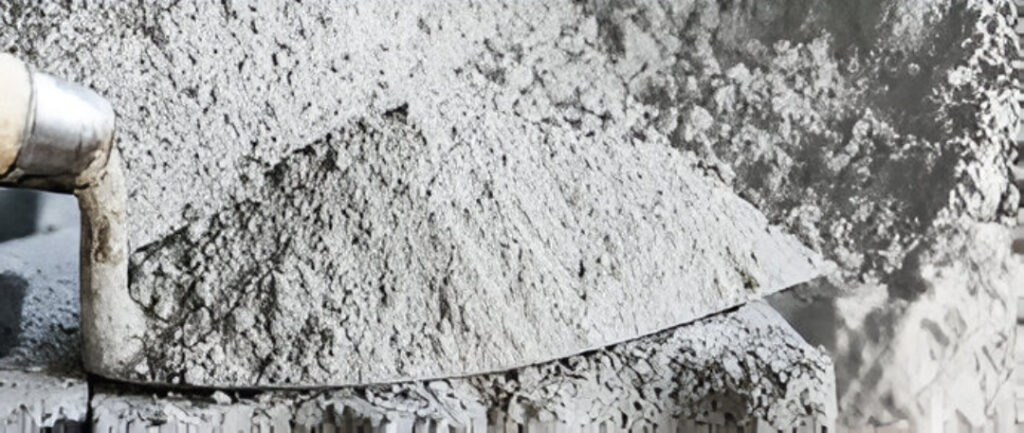
Cement is the backbone of modern construction, serving as the key binding material in concrete and mortar. To ensure the strength, durability, and safety of structures, it is essential to test cement before use. Various types of cement tests—such as fineness, consistency, setting time, compressive strength, and soundness—are conducted to assess its quality and suitability for specific applications. These tests help engineers and builders make informed decisions, prevent structural failures, and comply with industry standards. In today’s fast-evolving construction landscape, understanding cement testing is vital for achieving long-lasting and sustainable building outcomes. Cement is the core ingredient of modern construction. From simple brick walls to massive dams and high-rise buildings, cement plays a critical role in ensuring strength, durability, and performance. But not all cement is the same. Before it is used in any project, it must undergo thorough testing to ensure it meets the required standards. At HiTech Civil Test Lab, we conduct a variety of cement tests to verify quality, consistency, and suitability for construction. These tests help identify whether the cement being used will contribute to a safe, long-lasting structure. In this article, we will explore the key types of cement tests and why they are essential in today’s fast-paced construction environment. Why Cement Testing is Important? Cement is the binding material in concrete and mortar. If the cement is of poor quality or has deteriorated due to improper storage, it can compromise the entire structure. Regular cement testing ensures: Whether you are constructing a residential home or a large infrastructure project, accurate cement testing is a critical step in the quality assurance process. Common Cement Tests Conducted in Laboratories At HiTech Civil Test Lab, we perform the following standard tests to assess the quality of cement: 1. Fineness Test of Cement This test determines how fine the cement particles are. Finer cement offers better surface area for hydration, leading to faster setting and higher strength. The test is conducted using either a sieve analysis method or an air permeability method. Relevance: Affects rate of hydration, workability, and strength development in concrete. 2. Consistency Test This test measures the amount of water required to make a cement paste of standard consistency. A Vicat apparatus is used to determine this. Relevance: Helps in deciding the correct water-cement ratio for mixes, which directly impacts strength and setting time. 3. Setting Time Test (Initial and Final) Cement must neither set too quickly nor too slowly. This test determines the time it takes for cement paste to start setting (initial setting time) and the time to complete hardening (final setting time). Relevance: Ensures the cement allows enough time for mixing, transporting, placing, and finishing without setting prematurely. 4. Soundness Test Soundness refers to the ability of cement to retain its volume after setting. This test detects the presence of excess lime or magnesia, which can cause expansion and cracks. The Le Chatelier apparatus is commonly used for this test. Relevance: Prevents delayed expansion, cracking, or disintegration of hardened concrete. 5. Compressive Strength Test One of the most important tests, it checks the load-bearing capacity of cement mortar cubes after curing for 3, 7, and 28 days. This test confirms whether the cement meets the strength requirements of the project. Relevance: Assures the structural load capacity and helps in selecting suitable cement grades for different applications. 6. Heat of Hydration Test This test measures the amount of heat generated when cement reacts with water. High heat can cause thermal cracking, especially in mass concreting works like dams. Relevance: Important for large-scale concrete pours where temperature control is critical. 7. Specific Gravity Test This test helps determine the density of cement. Specific gravity values indicate whether the cement is fresh and properly manufactured. Relevance: Useful in mix design calculations and quality checks during cement storage. Modern Relevance of Cement Testing in Construction In today’s construction landscape, the pressure to deliver projects quickly without compromising quality is higher than ever. Here’s why cement testing is even more critical now: Why Choose HiTech Civil Test Lab for Cement Testing? HiTech Civil Test Lab is a trusted name in material testing across Indore and the surrounding regions. We offer: Whether you are a builder, contractor, architect, or real estate developer, our cement testing services help you deliver projects with confidence. Cement testing is not an optional quality check — it is a vital part of responsible and reliable construction. Each test plays a role in ensuring that the material you use will stand the test of time, weather, and load. At HiTech Civil Test Lab, we are committed to supporting modern construction with accurate, timely, and standard-compliant cement testing. Before your next project begins, let us help you verify the strength behind your structure — because quality construction begins with quality materials. Contact HiTech Civil Test Lab today for expert cement testing solutions tailored to your project needs.

Types of Cement Tests and Their Relevance in Modern Construction Read More »

soil bearing capacity test

Soil Bearing Capacity Explained – A Guide for Builders

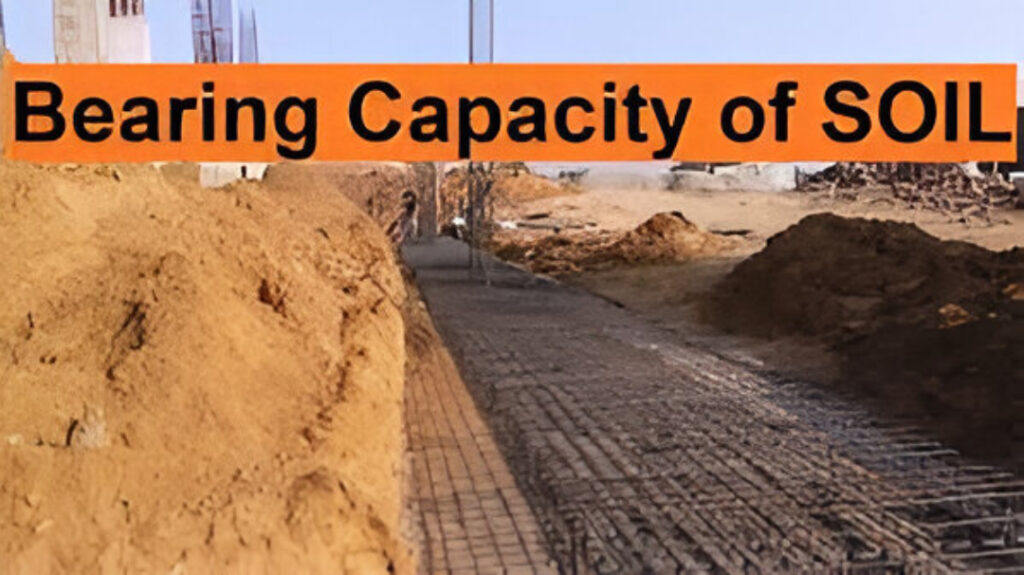
Every strong building begins with a reliable foundation, and the reliability of that foundation depends on what lies beneath — the soil. Before any construction begins, one critical factor must be determined: the soil bearing capacity. Understanding this concept is essential for builders, engineers, and architects alike, as it ensures the safety, durability, and cost-effectiveness of the entire structure. In this guide, we break down what soil bearing capacity means, why it matters, how it’s tested, and how it influences construction decisions. What is Soil Bearing Capacity? Soil bearing capacity refers to the maximum load per unit area that the ground can support without experiencing failure or excessive settlement. In simple terms, it indicates the maximum weight the soil beneath a building can safely support. If a structure exerts more pressure than the soil can support, it can lead to uneven settlement, cracks, or in extreme cases, structural collapse. Why Soil Bearing Capacity is Important in Construction 1. Safety of the Structure A building constructed on weak or untested soil is at risk. If the soil fails to support the weight of the structure, it could lead to cracks in walls, slanted floors, or even collapse over time. Knowing the soil’s bearing capacity helps prevent these hazards. 2. Foundation Design The type, size, and depth of the foundation depend directly on the soil’s strength. Strong soil may allow for shallow foundations, while weak soil may require deeper pile foundations or soil stabilization methods. 3. Cost Efficiency Understanding the soil’s capacity in advance helps avoid costly surprises later. It allows engineers to design the most efficient foundation, saving both time and money during construction. 4. Legal and Regulatory Compliance Many municipal authorities require a soil bearing capacity report before approving construction plans. Testing ensures that the project meets all local building codes and safety standards. Factors That Affect Soil Bearing Capacity Not all soils are created equal. Several factors influence how much load a soil can bear: Common Methods to Determine Soil Bearing Capacity At HiTech Civil Test Lab, we use standard testing procedures to evaluate the bearing capacity of soil with precision and accuracy. Here are a few common methods: 1. Plate Load Test This is a field test conducted by placing a steel plate on the soil surface and applying load incrementally. The settlement is measured at each stage to determine the safe bearing capacity. 2. Standard Penetration Test (SPT) A borehole is drilled, and a split-barrel sampler is driven into the soil using a hammer. The number of blows required to drive the sampler is recorded and used to estimate soil strength. 3. Core Cutter Method For cohesive soils, a cylindrical core cutter is used to extract a soil sample. Its density and moisture content are tested in the lab to calculate bearing capacity. 4. Dynamic Cone Penetration Test (DCPT) This test involves driving a cone into the ground using a standard weight. The resistance offered by the soil gives an idea of its load-bearing strength. Typical Soil Bearing Capacity Values (Indicative) Note: Actual values vary based on location, moisture content, and other local conditions. Always test before designing. How Builders Can Use This Information Trust HiTech Civil Test Lab for Accurate Soil Testing As a trusted name in material and geotechnical testing, HiTech Civil Test Lab provides comprehensive soil analysis services across residential, commercial, and infrastructure projects. Our expert team uses modern equipment, follows IS and ASTM standards, and delivers detailed reports that help builders make informed decisions. Whether you’re building a home, a warehouse, or a high-rise structure, we ensure your foundation starts on the right ground. Understanding and testing the soil bearing capacity is a non-negotiable step in the construction process. It forms the basis of a safe and successful project. Cutting corners at this stage can lead to long-term problems, safety risks, and financial losses. With professional testing services from HiTech Civil Test Lab, builders can move forward with confidence, knowing their foundation is based on accurate data and expert analysis. Build strong. Build smart. Build with confidence.

Soil Bearing Capacity Explained – A Guide for Builders Read More »

Scroll to Top